The Similan Islands

similan-mapThe Similan Islands, also known as Koh Similan National Park and The Similan Archipelago, contain Thailand's best dive sites. The area is located quite far (60km) from Thailand's west coast, thus providing total isolation for those on scuba diving holidays from the hustle and bustle of the mainland, Phuket and Koh Phi Phi. Also, being right out in the Andaman Sea, the water is both clean and full of nutrients brought up from deeper and cooler waters in the Indian Ocean. These nutrients supply food for the marine life.


diving-in-thailands-watersThis set of nine main islands and more than twenty world-class dive sites really is the perfect place to enjoy the scuba diving Thailand has to offer. There is one drawback, though. Once you have dived the Similan Islands, you will always compare the experience to other dive locations in Thailand and around the world. A little like driving a Rolls Royce; nothing else will ever be as good.


From Koh Huyong (island 1) in the south to Koh Bangu in the north there is a wonderful selection of dive sites for PADI diving, pristine beaches and snorkelling areas. Further north and north-east are Koh Surin and Richelieu Rock. The latter was described by Jacques Cousteau as one of the best dive sites in the world. Although some people like to include Koh Surin and Richelieu Rock when describing the Similan Islands, technically they are separate.

diving-oxegenOne must research and be prepared for PADI scuba diving in the Similan Islands. For the months between May and October (inc.) the whole area is often closed. In fact, the Thai government has recently toyed with the idea of completely shutting down the whole national park to allow the marine environment recover from over fishing, coral bleaching and the tsunami. In addition, not just anyone can go and dive there. Firstly, there is a small fee that must be paid to enter the national park, and secondly, the diving conditions can be a bit much for inexperienced divers. Those having taken a few scuba diving lessons and just graduated from a PADI Open Water course are probably not experienced enough to tackle the depths and currents of the best Similan dive sites. Saying that though, there are plenty of places there for gentler diving.


What can be seen underwater at the Similans?


diving-similans

There are so many different marine creatures, that it's difficult to know where to start. Whale Sharks (Rhincodon Typus) are usually at the top of most people's list, and can be seen year round, but more so in the Thai summer (March-June). Other big fish such as Manta Rays (Manta Birostris) and Devil Rays (Mobula Mobular) are common visitors to the dive sites. Marine mammals, such as whales and dolphins, are unlikely to be met by divers underwater, but can sometimes be seen breaching the surface (jumping) from whichever boat you are on. There are also several other kinds of cartilaginous fishes (sharks and rays) such as Leopard/Zebra Sharks (Stegostoma Fasciatum), White Tip Reef Sharks (Triaenodon Obesus), and the Shovel Nose Ray/Guitar Shark (Rhinobatos Productus) just to name a few. In addition to the bigger stuff, divers can see a huge selection of hard and soft corals, as well as tiny but interesting marine life such as nudibranchs and sea horses. Mid-size fish and mollusks are also hugely popular. Moray eels (more than a dozen species), octopuses, barracuda, sweet lips, and many other colourful or interesting animals can be seen in the Similans. Click on our list of Similan dive sites to get more specific and detailed information on what to expect at each location.


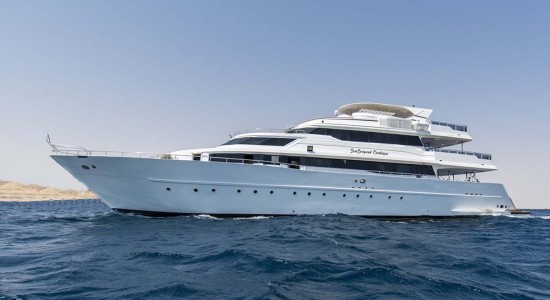
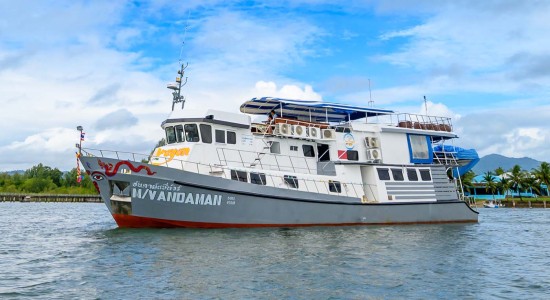
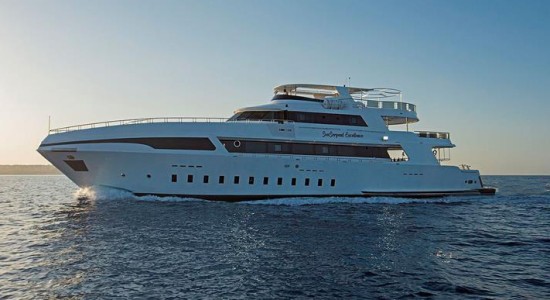
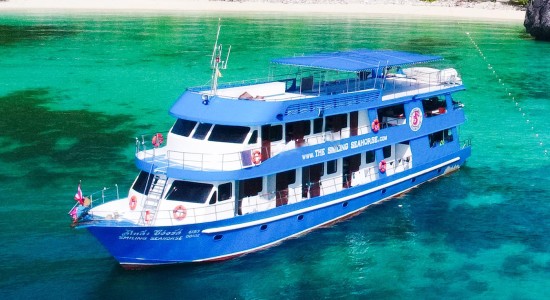
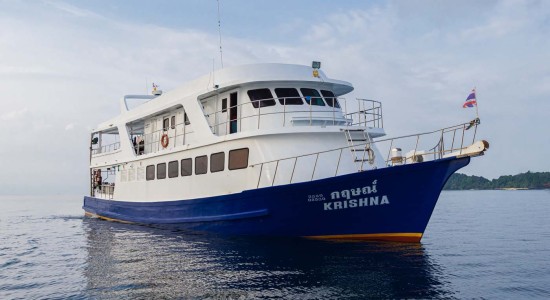
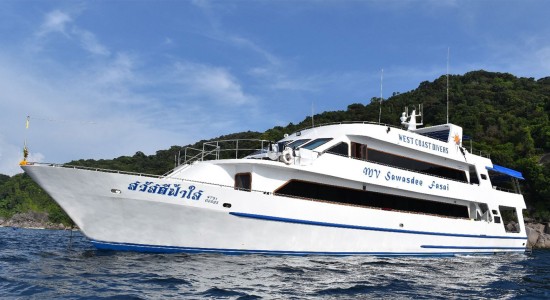
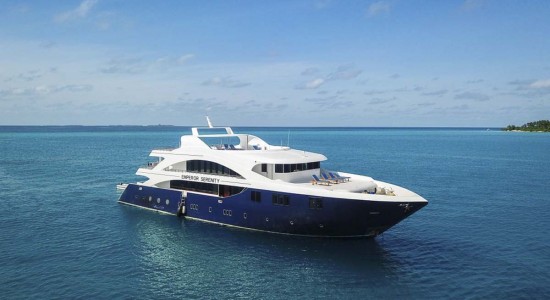
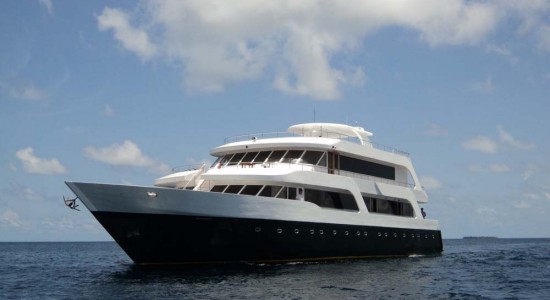
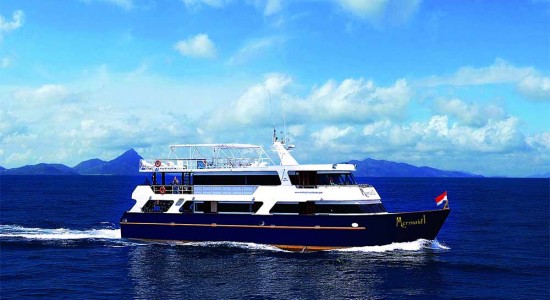
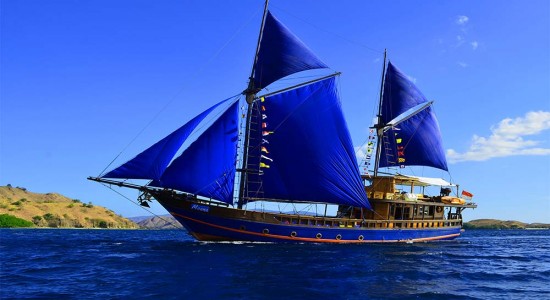
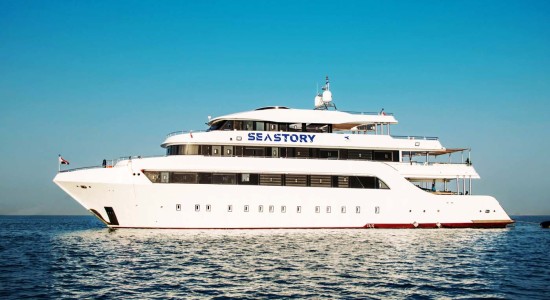
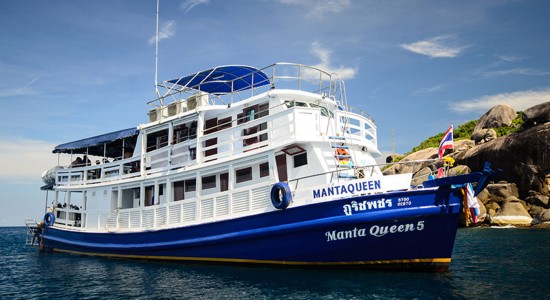
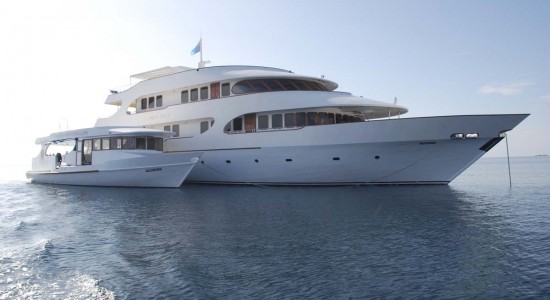
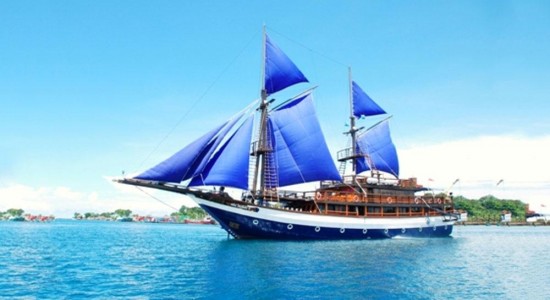
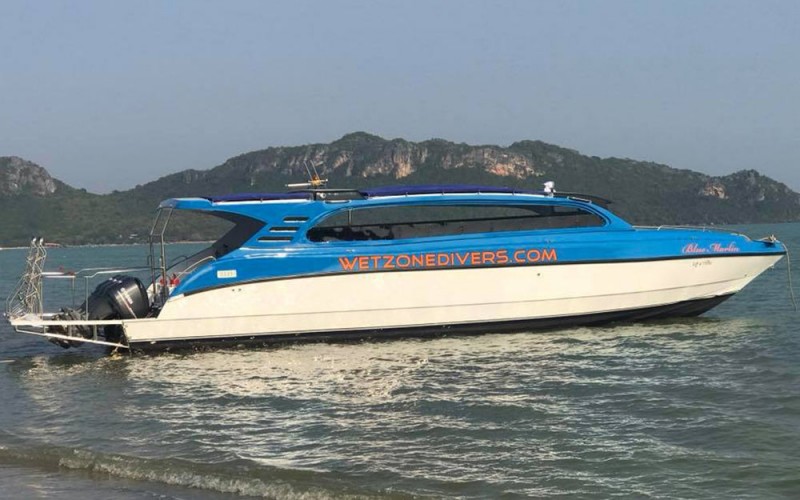
Getting to the Similan Islands is possible via a number of forms of transport from a selection of starting points on the mainland. The most popular is taking a liveaboard and staying out at sea for three days to a week. These trips usually try to visit all the best sites on the Similans, as well as popping over to Koh Surin and Richelieu Rock if conditions allow. Families with members who don't dive often take proper cruises around the islands, stopping at secluded beaches and snorkeling sites. Alternatively, there are day trips for those who either don't have time to spend days out at sea, or who don't like sleeping on boats. These day trips can be on a regular dive boat or speedboat. However, one must appreciate the length of time travelling, plus extended surface intervals. It's going to be a very long two-dive or three-dive day.


As far as dive centres go, there are none on the Similans, as there is very little accommodation or shops. Most divers choose to book up with a PADI IDC centre on Phuket or in Ranong to take care of their needs.


diver-at-Deep-Six-ThailandScuba diving at Deep Six in the Similan Islands is not for the faint-hearted. Located on the northern tip of Island 7, it is a V-shaped dive site comprising huge granite boulders. The dive site offers swimthroughs, pelagics, large schools and regularly strong currents coming from the north.

Read more: Deep Six

Banded Sea Krait Christmas Point

North Point is the northernmost Similan Isalnds diving site. It has great depth and visibility to match its diverse and colourful marine life. Large fish, sharks and rays are often seen here, as well as hundreds of interesting small creatures on the colourful reef and large granite boulders all the way down to 40 metres.


Read more: Christmas Point - Similan Islands

Lionfish-Pterois-and-Scorpionfish-Scorpaenidae-at-Turtle-Rock-ThailandTurtle Rock is a wonderful diving site located to the west of the northern tip of Simlan Island #8. It has deep and clear water but is not as deep as some other Similan diving sites. With a good chance of seeing something big, and gurantees of interesting marine life, it's well worth a visit.

Read more: Turtle Rock

eel

Hideaway Bay at the Similan Islands is also called Barracuda Point. It is just south of Anita's Reef and is a great Thai diving site for less-experienced PADI divers, night diving and those who want to stay underwater for as long as possible.

Read more: Hideaway Bay

diver-and-reef-at-Snapper-Alley-ThailandSnapper Alley is on the south side of the most northerly Similan Islands. It is a wonderfully colourful diving site, and as its name suggests, has lots of large schools of various species of Snapper. A great Thai dive site which is neither too deep nor too challenging.

Read more: Snapper Alley

shark-fin-reef

Sharkfin Reef is a deep and healthy scuba diving site in the south-east corner of the Similan Islands in Thailand. It was named for the shape of its exposed rocks looking like sharks' dorsal fins. Currents can be challenging, but diving here is well worth the effort.

Read more: Shark Fin Reef

diver-breakfast-bend

Diver photo by Peter Thurwood

Breakfast Bend on the east coast of island 9 at the Similan Islands is an easy dive site which can be dived by anyone and at any time of day or night. It gets its name from the shape of the reef and the best time to dive, in order to see wonderful colours. However, it's commonly visited in the afternoons and for night diving, too.

Read more: Breakfast Bend

elephant-head-rock-similan

Diving Elephant Head Rock in Thailand is among the best Similan Island diving experiences. Located in the middle of the mini archipelago it attracts Whitetip Reef sharks in the mornings and has several swimthroughs of various levels of difficulty.

Read more: Elephant Head Rock

bannerfish-north-point-similan-islandsBannerfish photo by Peter Thurgood

North Point is the northernmost Similan Isalnds diving site. It has great depth and visibility to match its diverse and colourful marine life. Large fish, sharks and rays are often seen here, as well as hundreds of interesting small creatures on the colourful reef and large granite boulders all the way down to 40 metres.

Read more: North Point at Island 9

banner fish Boulder City

Boulder City at the Similans is a formation of huge granite boulders stancked in a row, resembling a sliced loaf of bread. Although there's nothing at all for the first ten metres, the next thirty or more will keep PADI scuba divers very busy and happy.

Read more: Boulder City

lionfish-Pterois

Lionfish photo by Peter Thurgood

One of the best Similan diving sites for inexperienced divers and night diving is Donald Duck Bay. It's on the west side of Island 8, and has a beautiful beach, sunsets over the sea, and excellent, but easy diving below the gentle waves.

Read more: Donald Duck Bay

Although East of Eden at the Similan Islands is currently closed to diving, it will forever remain in the hearts of those lucky enough to dive there. Famous for its clear waters and colourful marine life, many dive centres hope it will reopen very soon. Reef sharks and special reef fish all add to the experience.

Read more: East of Eden

Latest scuba diving information

Although not the most visited dive location in the Similan National Marine PArk, Koh Bon is a great ...
Koh Bon Pinnacle dive site is two underwater rock pinnacles which are 18 and 24 metres below the sur...
Koh Phi Phi is famous for its clear waters, limestone cliffs and good, but easy diving. Not many peo...
The most popular Koh Phi Phi diving sites lie under the sea at the two islets just to the south of K...
Anemone Reef is a huge limestone mount which comes within a few metres of the surface between Phuk...

padi-logo  bottom-banner-with-shadow thailand-diving-logo